- News
Shanghai General Hospital Establishes Shanghai–Ulm Joint Clinical Research Center for Pancreatic Diseases and Hosts Gongji Digestive Forum – Pancreatic Diseases Session
Source: https://mp.weixin.qq.com/s/YnD4v104VkBt1yCFlY9mBA
On November 16, Shanghai General Hospital officially established the Shanghai–Ulm Joint Clinical Research Center for Pancreatic Diseases and hosted Gongji Digestive Forum – Pancreatic Diseases Session. Building on the hospital’s clinical and research expertise in pancreatic diseases, the center will focus on two major areas: pancreatitis and pancreatic tumors. Its work will be guided by three priorities: integrating basic, clinical, and translational research; fostering joint training of Chinese and German researchers; and promoting research resource sharing and coordinated clinical trials. The center aims to develop a diagnostic and treatment framework for pancreatic diseases that reflects China’s clinical experience while meeting international standards, and to bring Chinese clinical expertise and academic achievements to the global stage.
Bridging Continents: Official Launch of the Joint Research Center
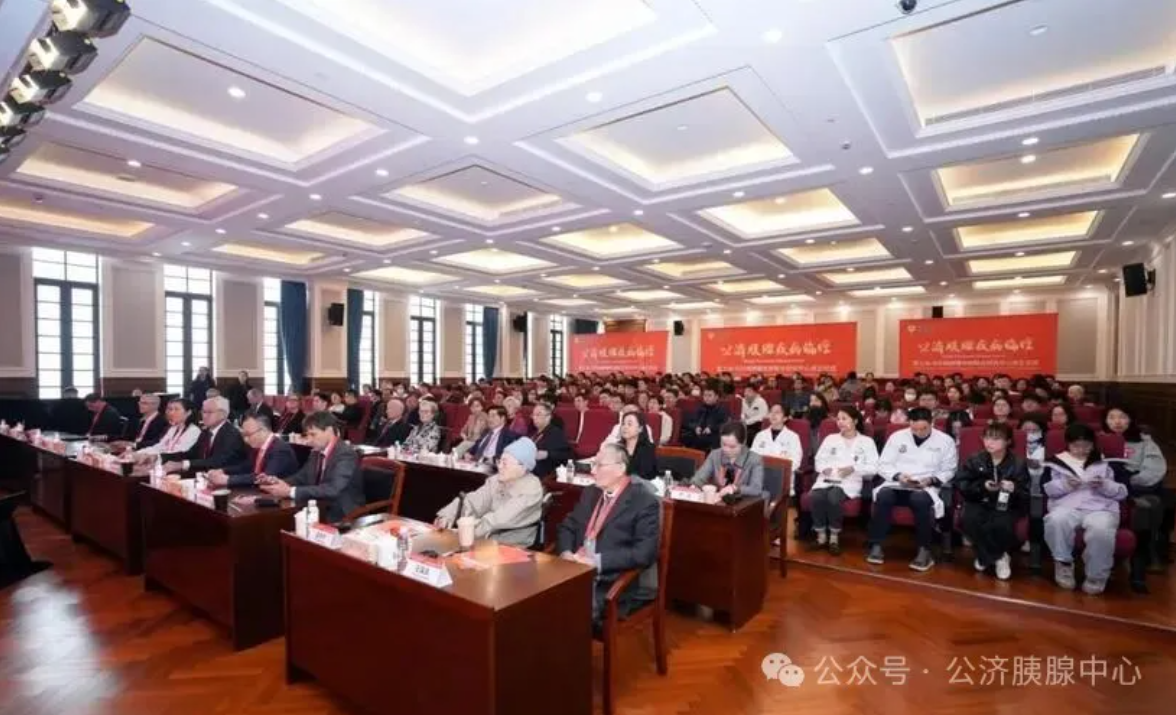
The establishment ceremony brought together leading experts and scholars in gastroenterology and pancreatic diseases from China and Germany to witness the launch of this new partnership.
Shanghai General Hospital
Professor Wang Xingpeng, gastroenterology expert
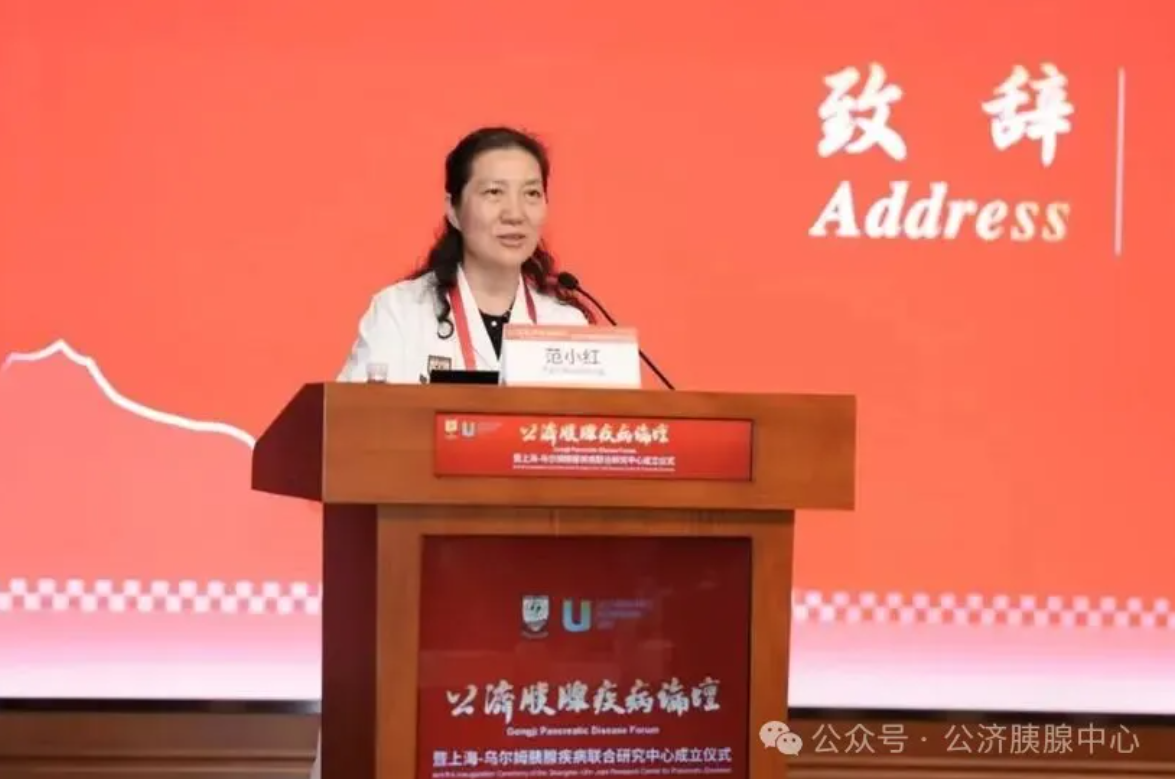
Professor Fan Xiaohong, Secretary of the Party Committee
Professor Zheng Xingdong, President of the hospital
Professor Wu Xiening, founder of the Department of Gastroenterology
Professor Wang Guoliang, senior expert in gastroenterology
Academic Partners from China
Professor Wu Yunlin, Ruijin Hospital, Shanghai Jiao Tong University School of Medicine
Professor Xia Yuting, General Hospital of Northern Theater Command
Professor Ni Quanxing, Fudan University Shanghai Cancer Center
German Delegation
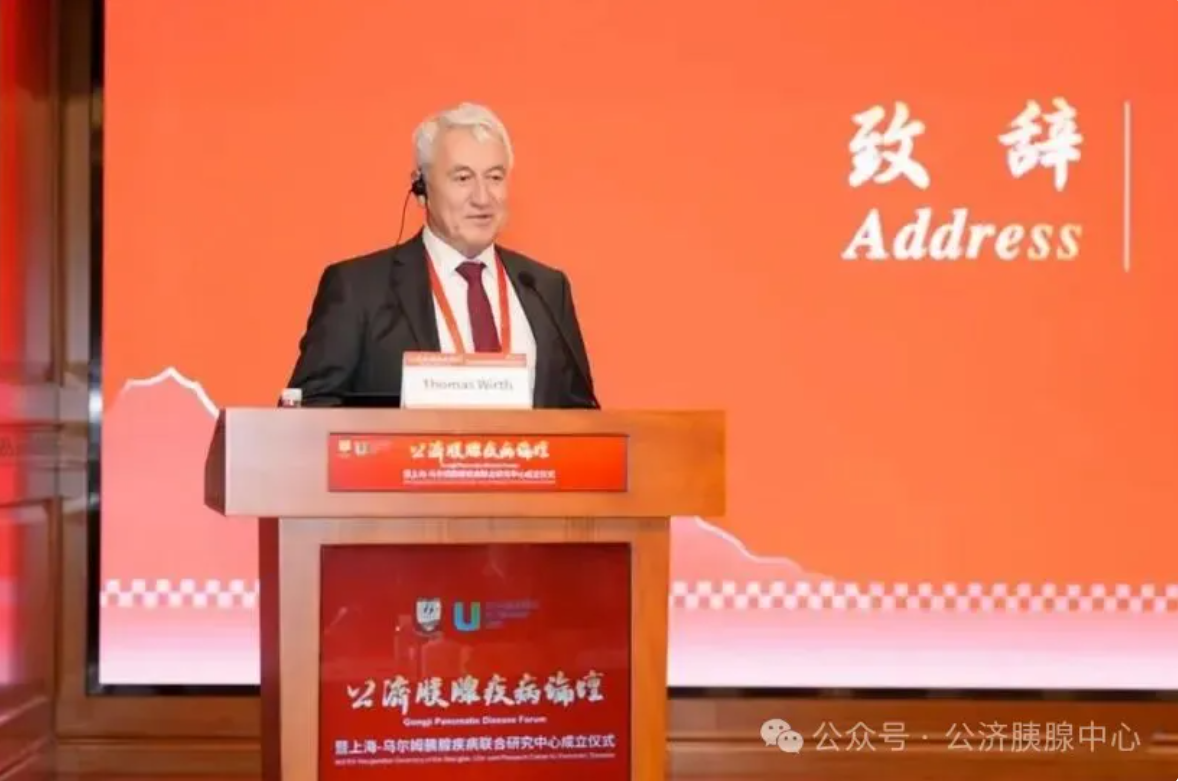
Professor Thomas Wirth, Dean of the Medical Faculty at Ulm University
Professor Markus Huber-Lang, Ulm University
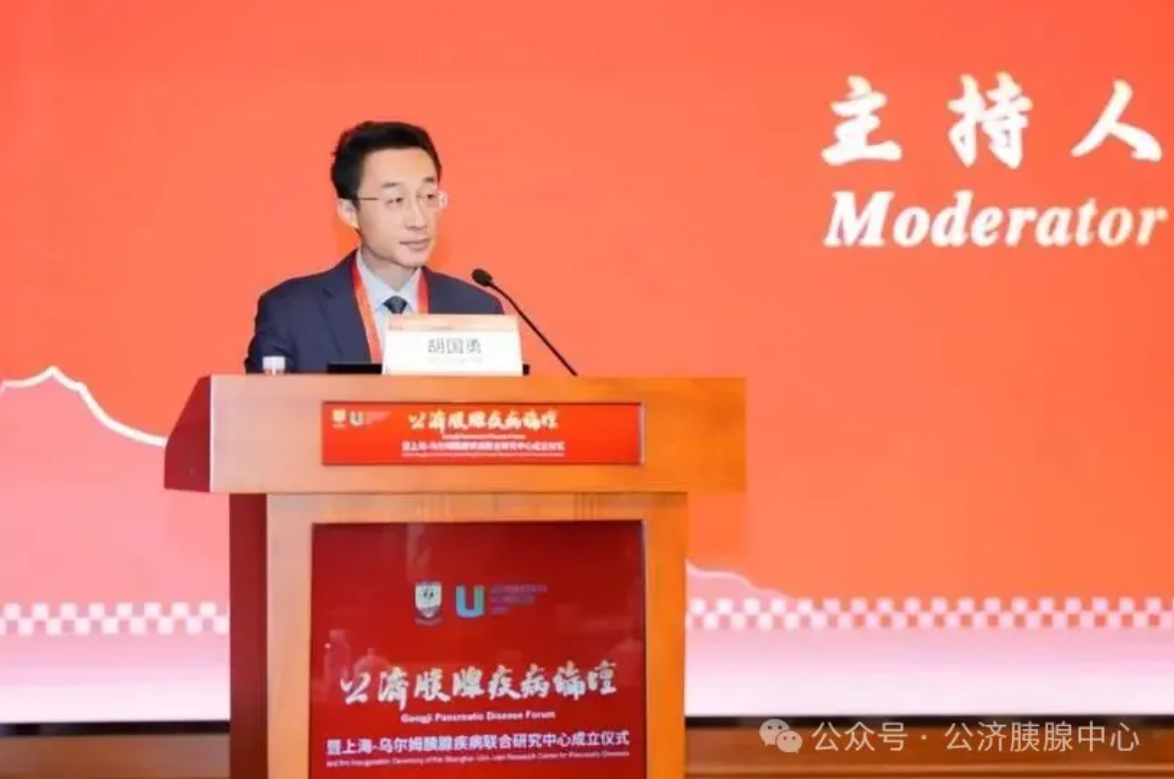
The event was hosted by Professor Hu Guoyong, Vice President of Shanghai General Hospital.
Opening Remarks: Drawing Strength from the Efforts of Those Who Came Before
Representatives from both China and Germany delivered opening remarks, reflecting on the development of their respective disciplines and outlining their vision for future collaboration.
“Since Professor Wu Xiening founded the Department of Gastroenterology at Shanghai General Hospital in 1985, generations of scholars have continued to strive. Today, the department has established high-level academic platforms, including the Shanghai Key Laboratory of Pancreatic Diseases, and boasts strong clinical resources and research capabilities, providing a solid foundation for the joint research center. Moving forward, the hospital will focus on collaborative research, joint talent development, and the establishment of standardized clinical practices. Guided by high-quality Party building, we will advance the high-quality development of our disciplines and provide comprehensive support for the center.”
— Professor Fan Xiaohong, Secretary of the Party Committee, Shanghai General Hospital
“Ulm University’s Medical Faculty has long been dedicated to research into age-related diseases and pancreatic disorders, and is a leading center for medical research in Germany and Europe. The launch of this joint research center will strengthen scientific collaboration, foster closer links in clinical research, and promote academic exchange in both directions, injecting new momentum into the development of our disciplines.”
— Professor Thomas Wirth, Dean of the Medical Faculty, Ulm University, Germany
Signing and Unveiling: Collaborative Research Across Three Strategic Pillars
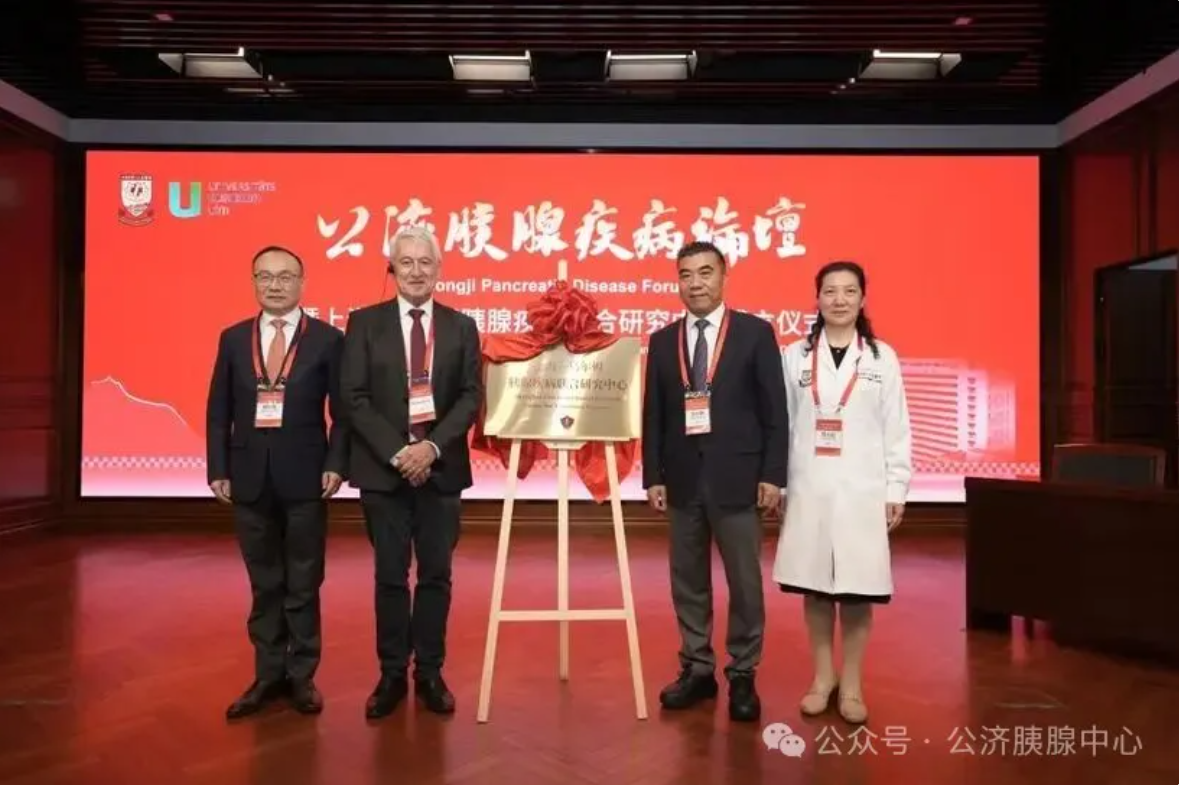
At the ceremony, Professor Zheng Xingdong, President of Shanghai General Hospital, and Professor Thomas Wirth signed a memorandum of understanding and jointly unveiled the Shanghai–Ulm Joint Clinical Research Center for Pancreatic Diseases.
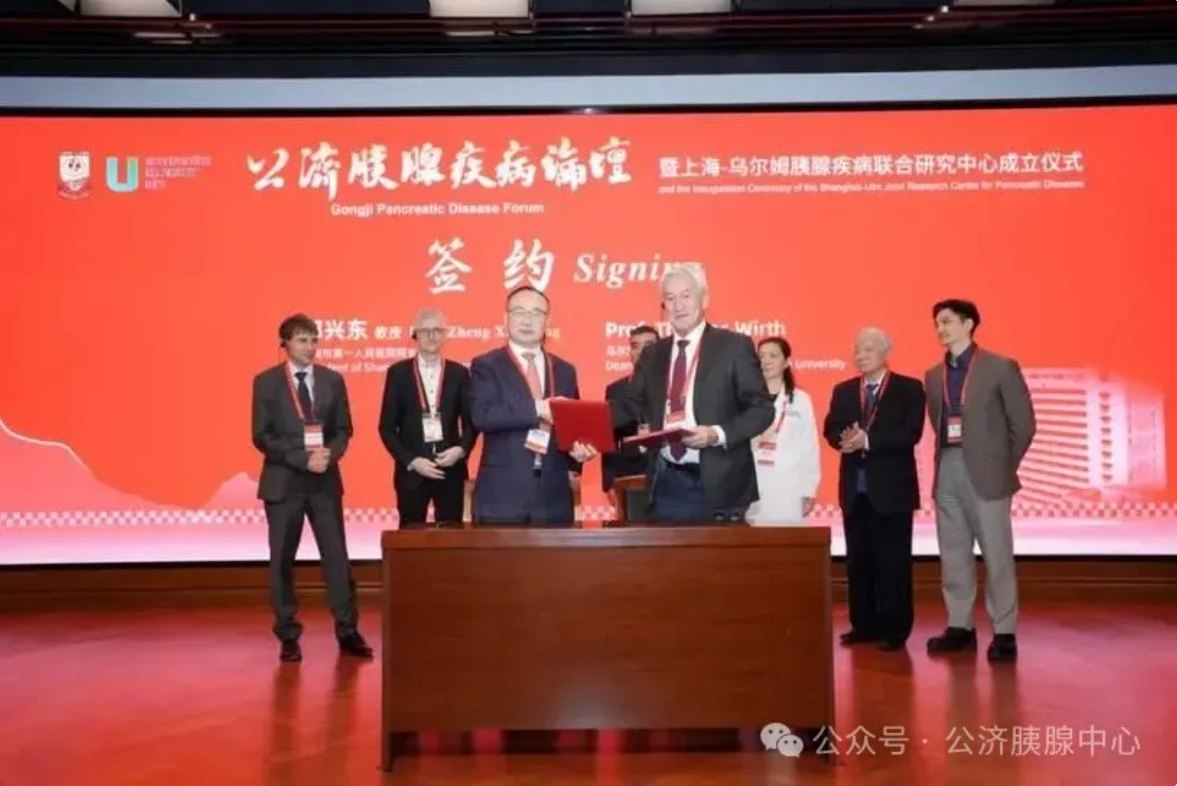
Under the agreement, the center will advance collaborative research across three strategic pillars:
1. Integrating the Full Research Continuum
Connecting basic research, translational medicine, and clinical research to establish a closed-loop framework in which clinical observations inform basic research, findings are validated, and discoveries are translated back into clinical practice.
2. Joint International Talent Development
Establishing cross-border training programs, facilitating exchanges and visits between researchers, and creating an international platform for the professional development of young physicians.
3. Resource Sharing and Coordinated Clinical Trials
Promoting research resource sharing and coordinated clinical trials between the two institutions to enhance the international comparability of research data and improve the efficiency of translating research findings into clinical applications.
Scientific Forum: Tackling Clinical Challenges Through Joint Research
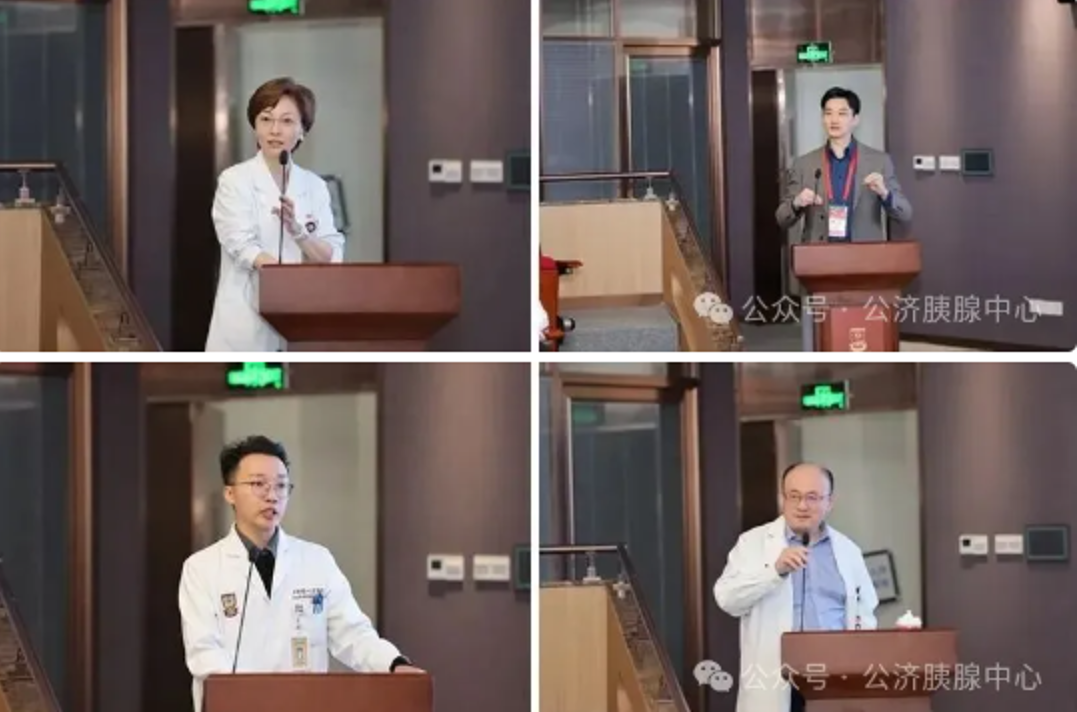
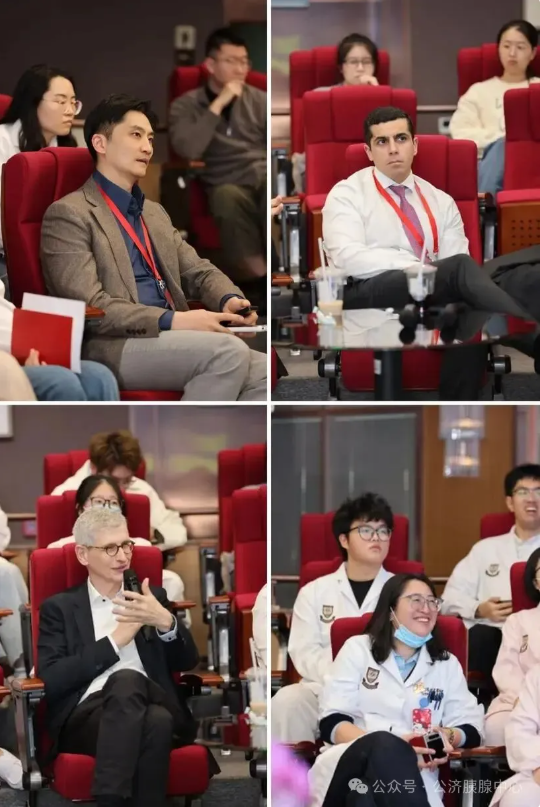
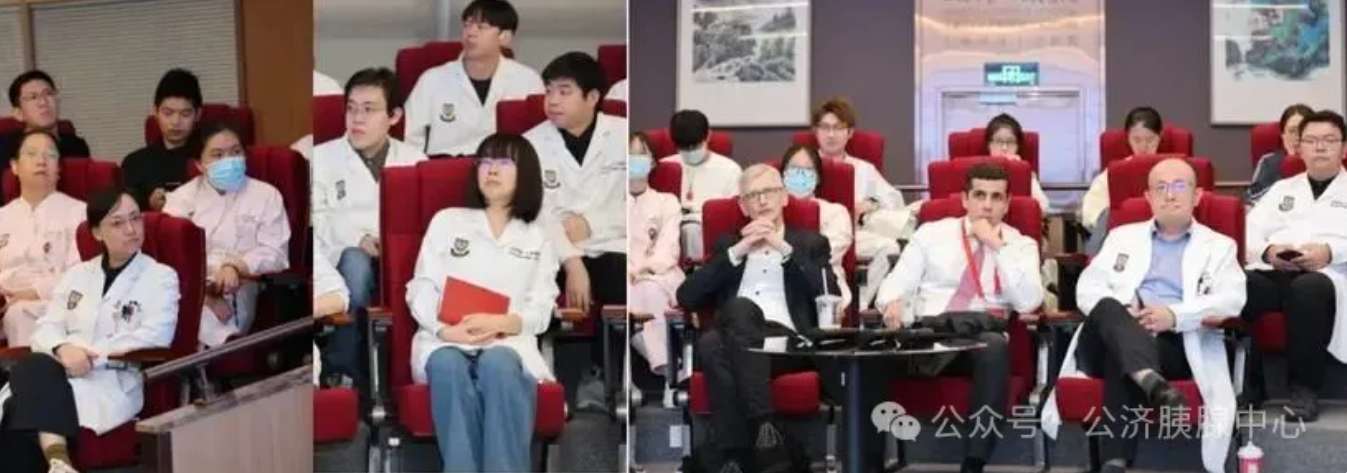
Following the establishment ceremony, the Gongji Digestive Forum – Pancreatic Diseases Session officially opened. With a focus on fostering international collaboration and sharing cutting-edge scientific advances, the forum brought together experts from China and abroad to explore emerging trends and deepen academic partnerships.
German side's concerns
l Discovery of novel biomarkers
l Personalized approaches to pancreatic surgery
Chinese side's concerns
l AI-enabled quality control across the endoscopic ultrasound workflow
l Precision diagnosis and treatment of pancreatic tumors
l Interventions for intestinal dysfunction in acute pancreatitis
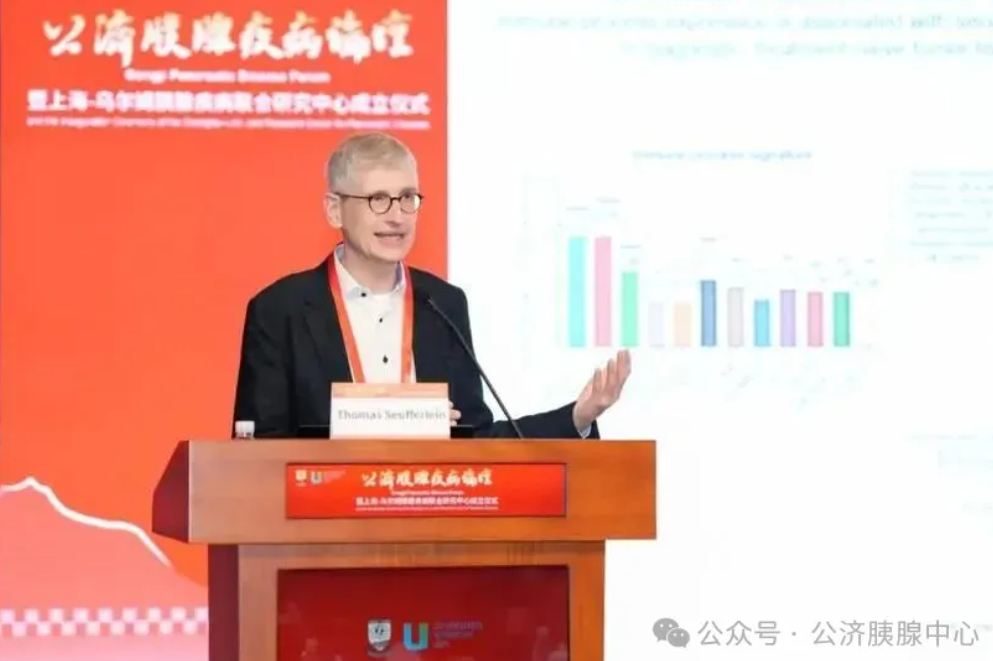
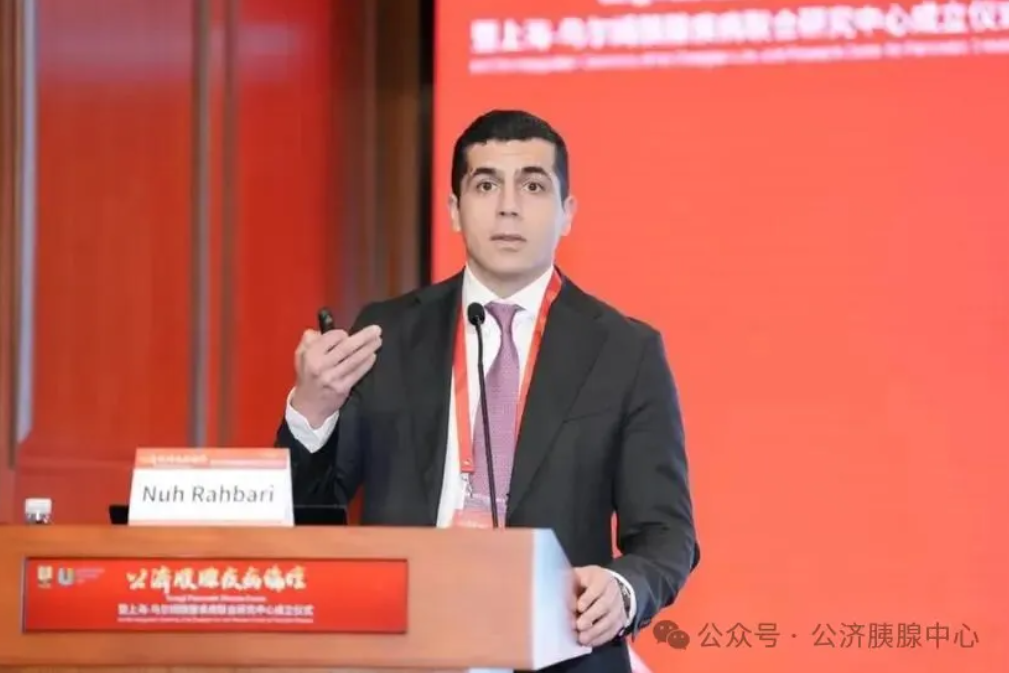
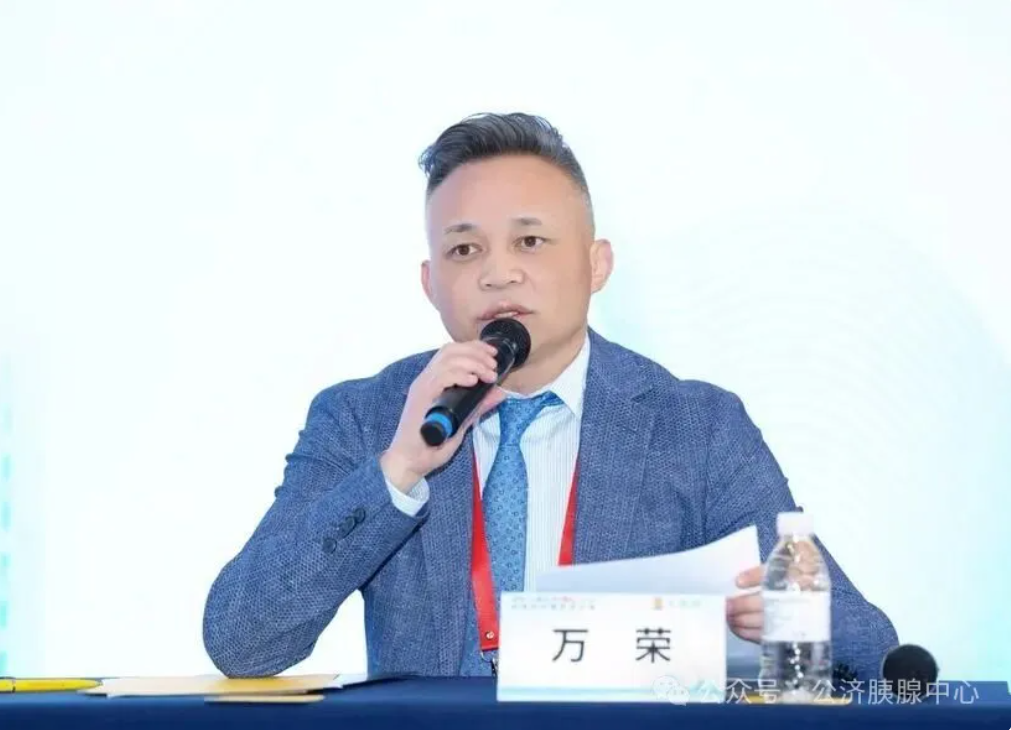
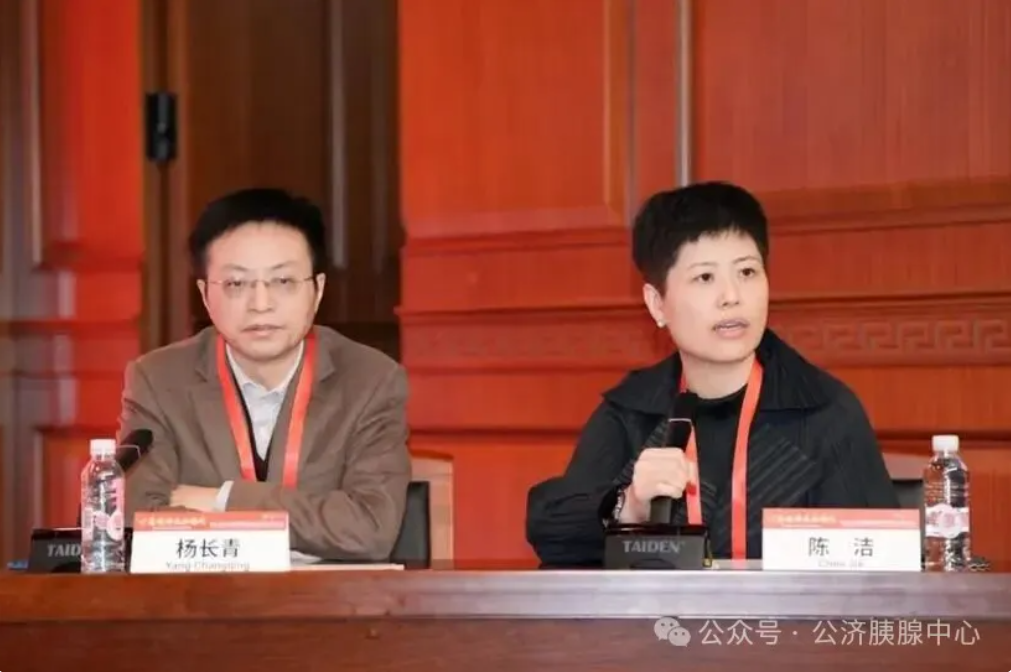
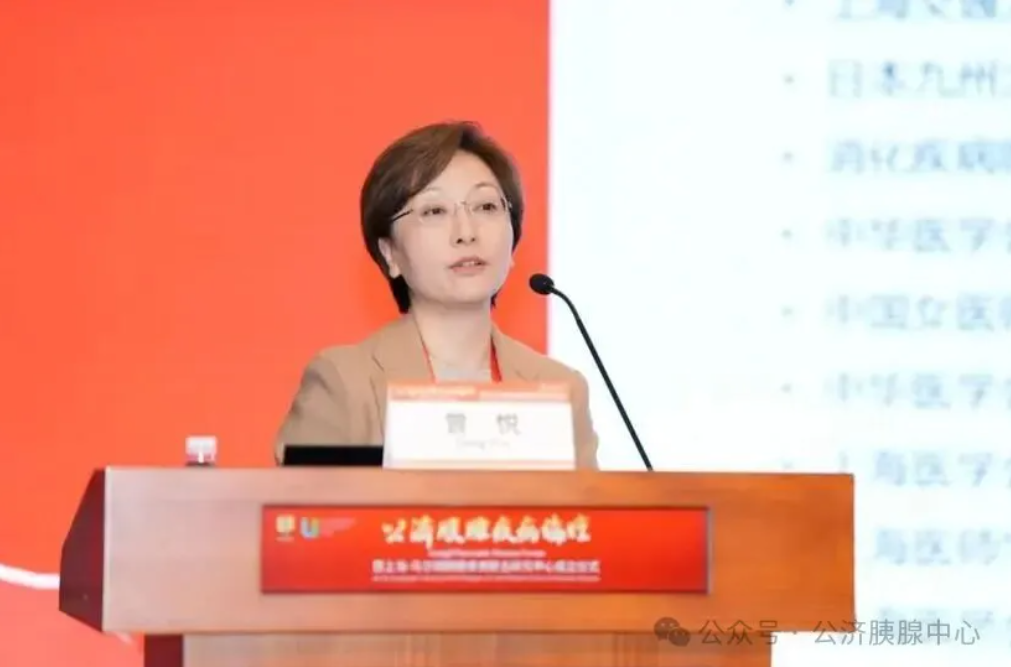
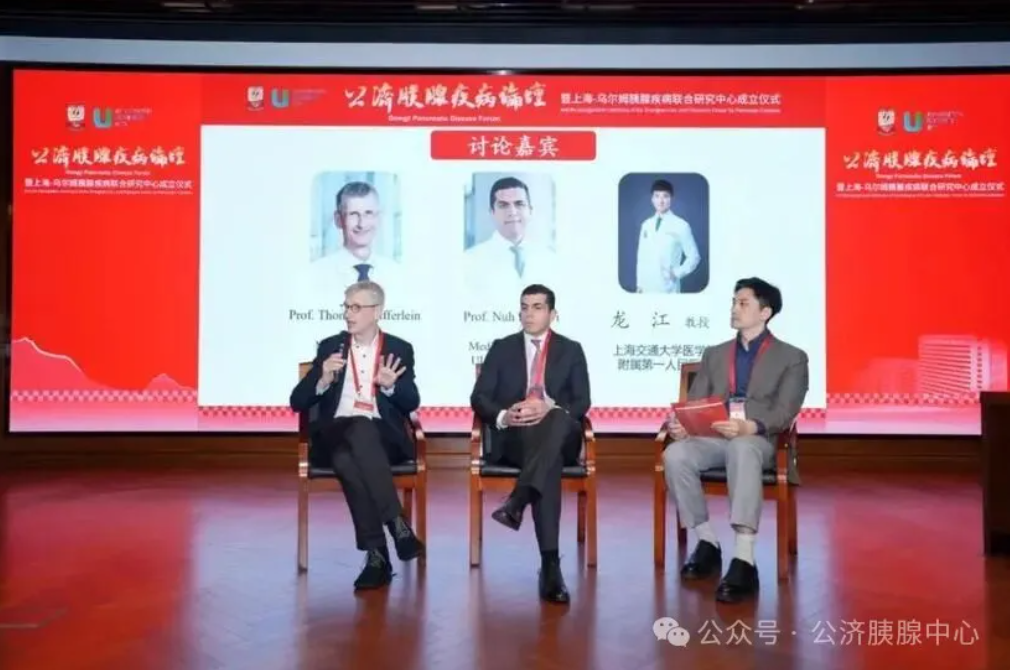
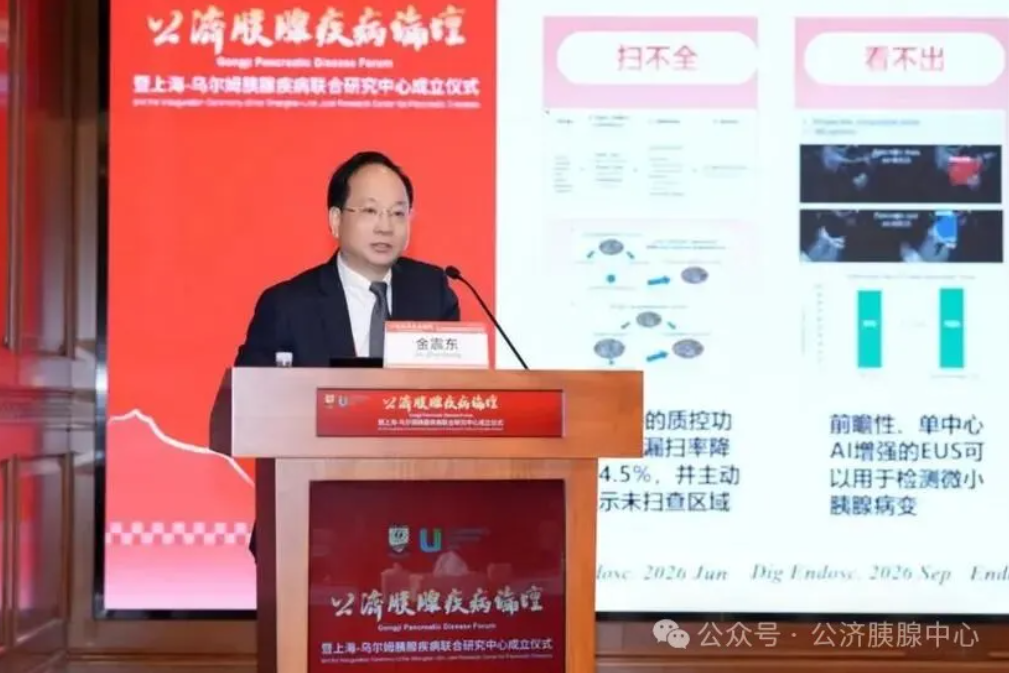
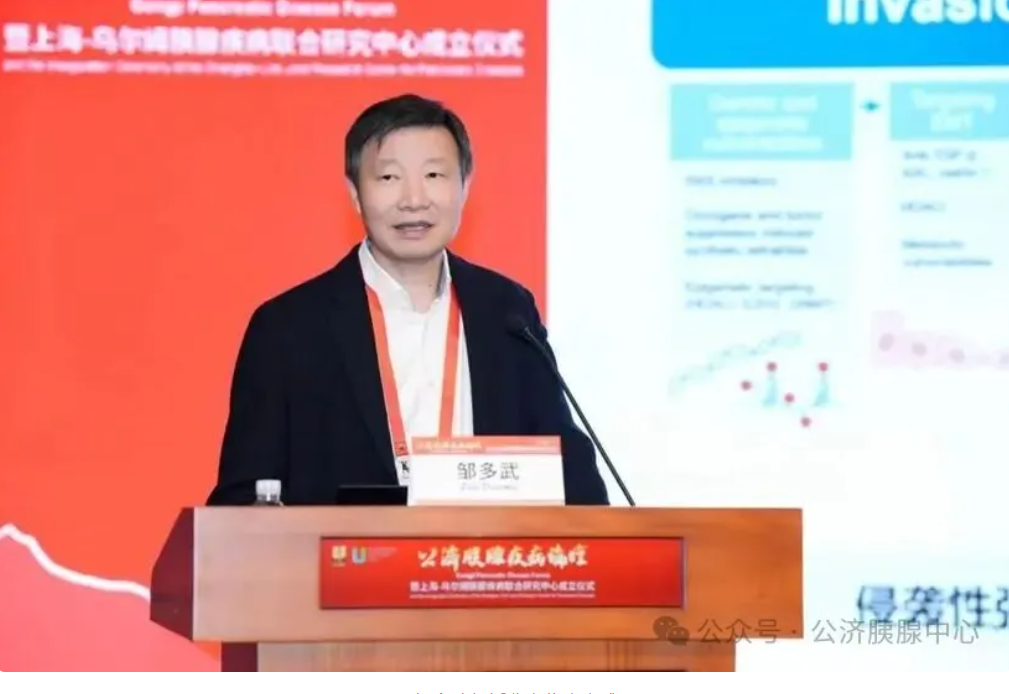
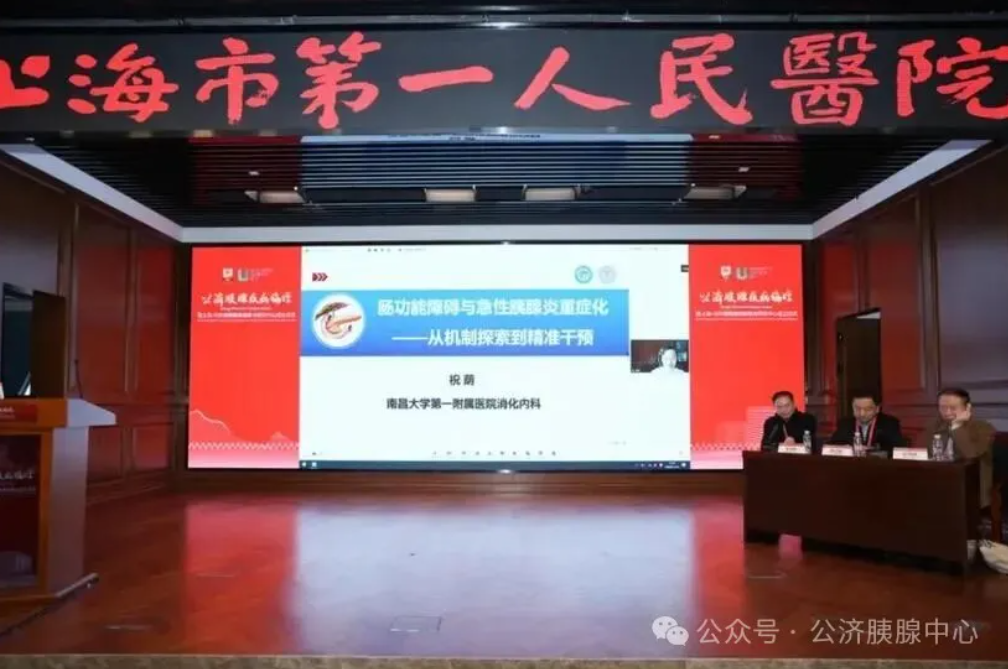
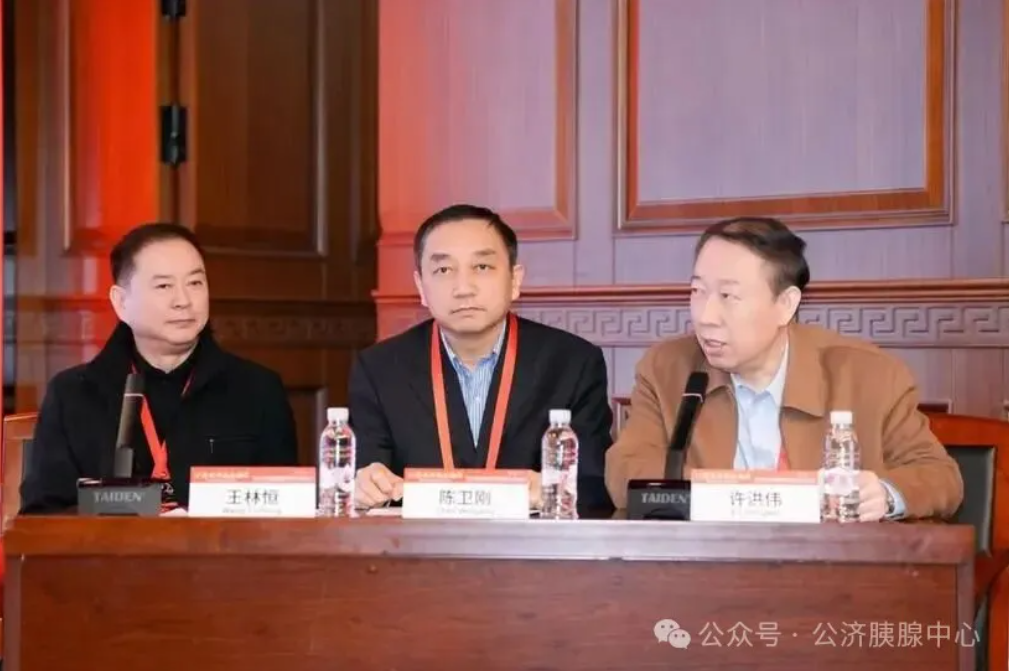
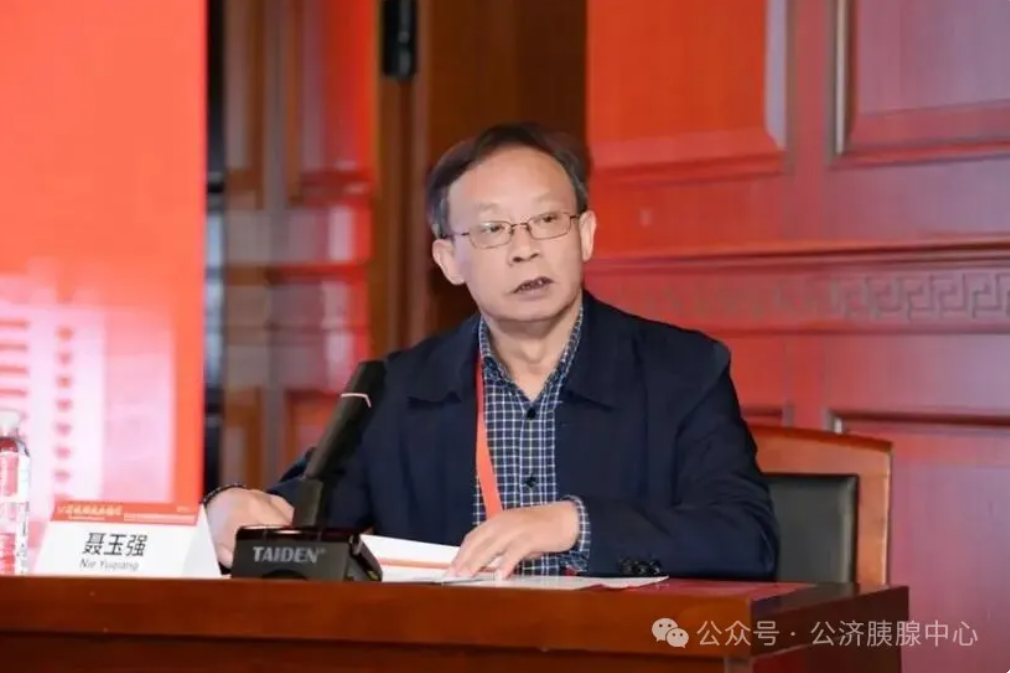
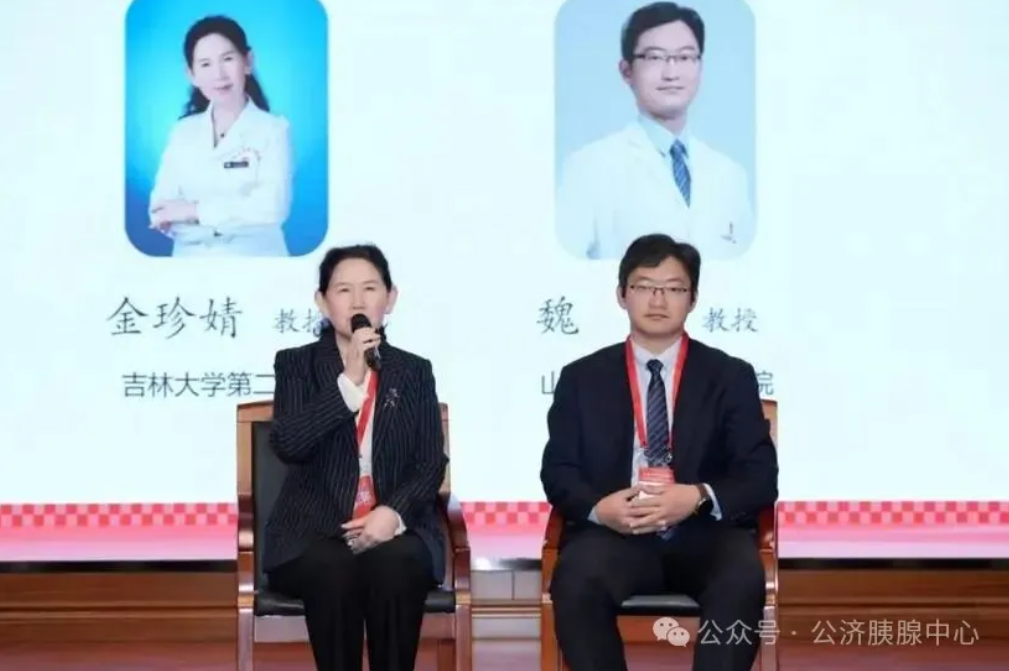
The presentations covered a broad spectrum of topics spanning medical management, surgical techniques, and basic and translational research. Chinese and German experts engaged in in-depth discussions on advances and unresolved clinical challenges in pancreatic disease, exchanging methodological insights and exploring practical approaches through case-based discussions.
Visiting the Songjiang Campus: Dialogue Through Clinical Practice
In the afternoon, the German delegation visited the Songjiang Campus of Shanghai General Hospital, touring the Endoscopy Center, the Department of Gastroenterology, and the Pancreatic Surgery Ward. The experts participated in bedside multidisciplinary discussions of complex pancreatic disease cases involving elderly patients and exchanged views with the hospital’s clinical and research teams on emerging topics, including gut phage regulation and T-cell receptor-engineered T-cell (TCR-T) therapy.
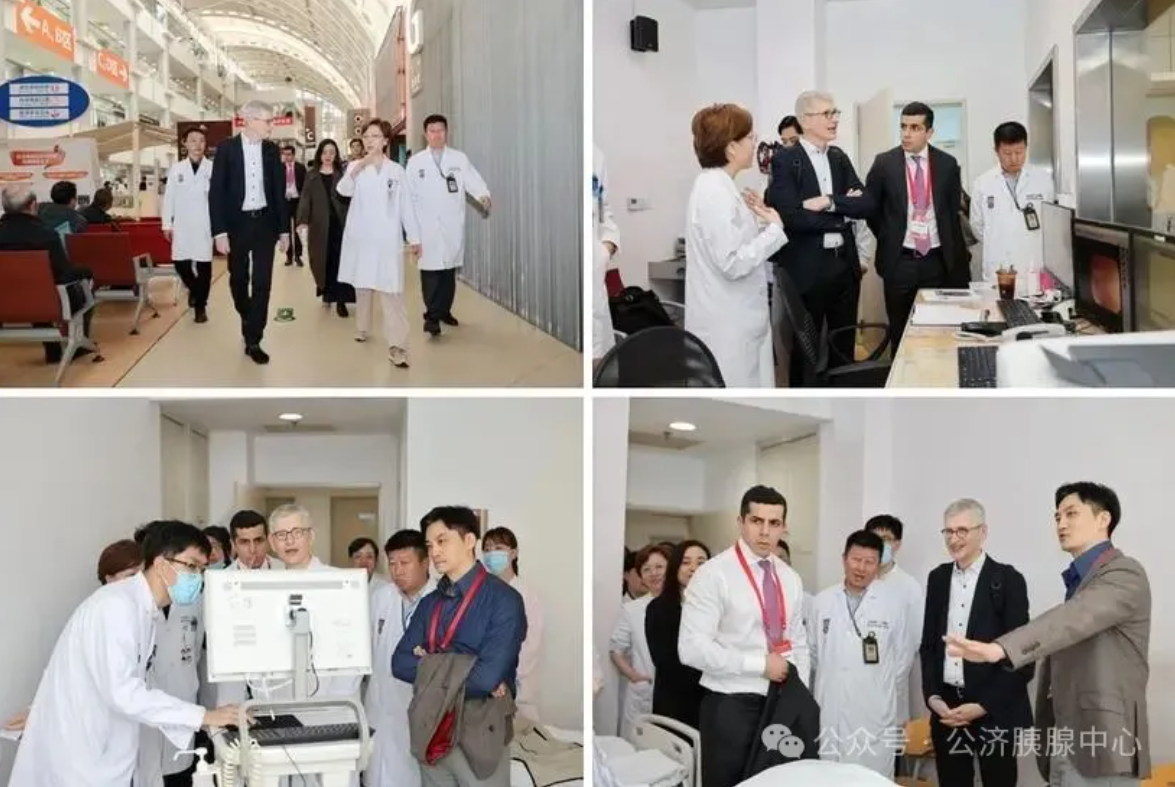
During the visit, the two sides agreed to explore further opportunities for collaboration through the joint research center, particularly in clinical trial design and digital patient management.
Celebrating a Centenary: Honoring a Pioneer of the Discipline
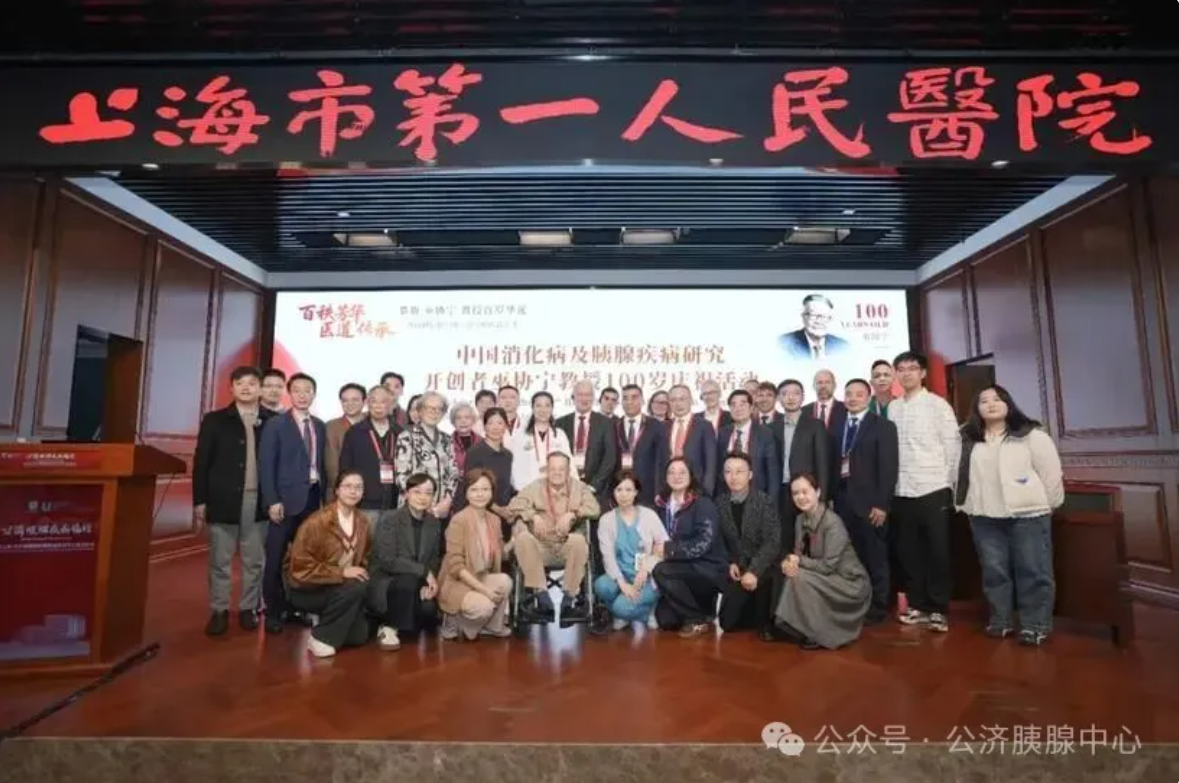
The event coincided with the 100th birthday of Professor Wu Xiening, founder of the Department of Gastroenterology at Shanghai General Hospital. A pioneer in gastroenterology and pancreatic disease research in China, Professor Wu has devoted more than seven decades to clinical practice. Under his leadership, the team reduced the mortality rate of severe acute pancreatitis to a leading level in the field, laying a strong foundation for the development of gastroenterology at Shanghai General Hospital.
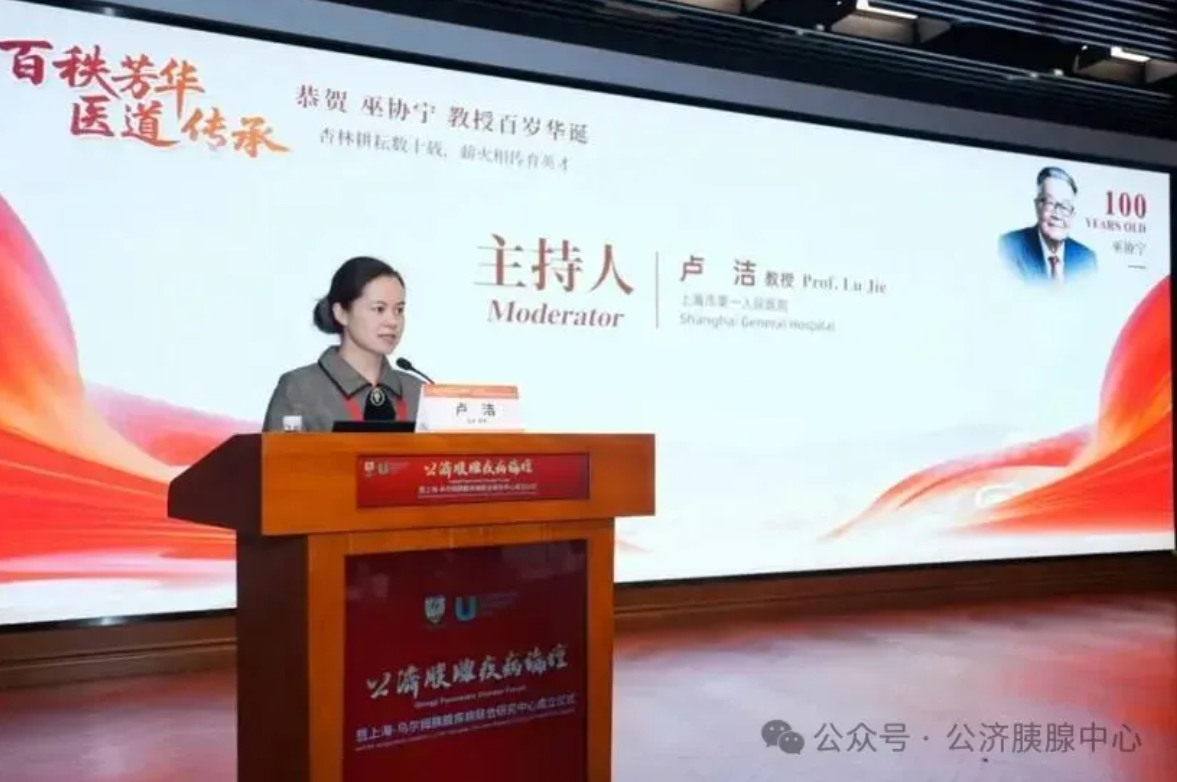
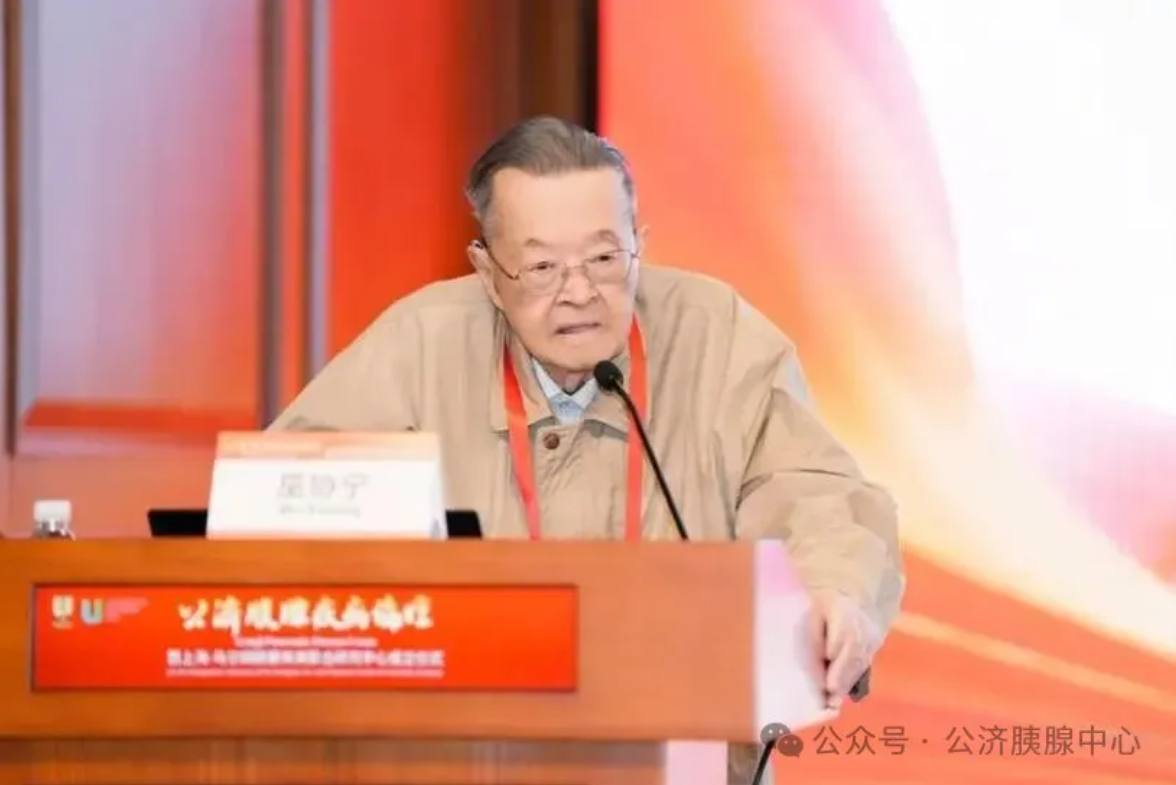
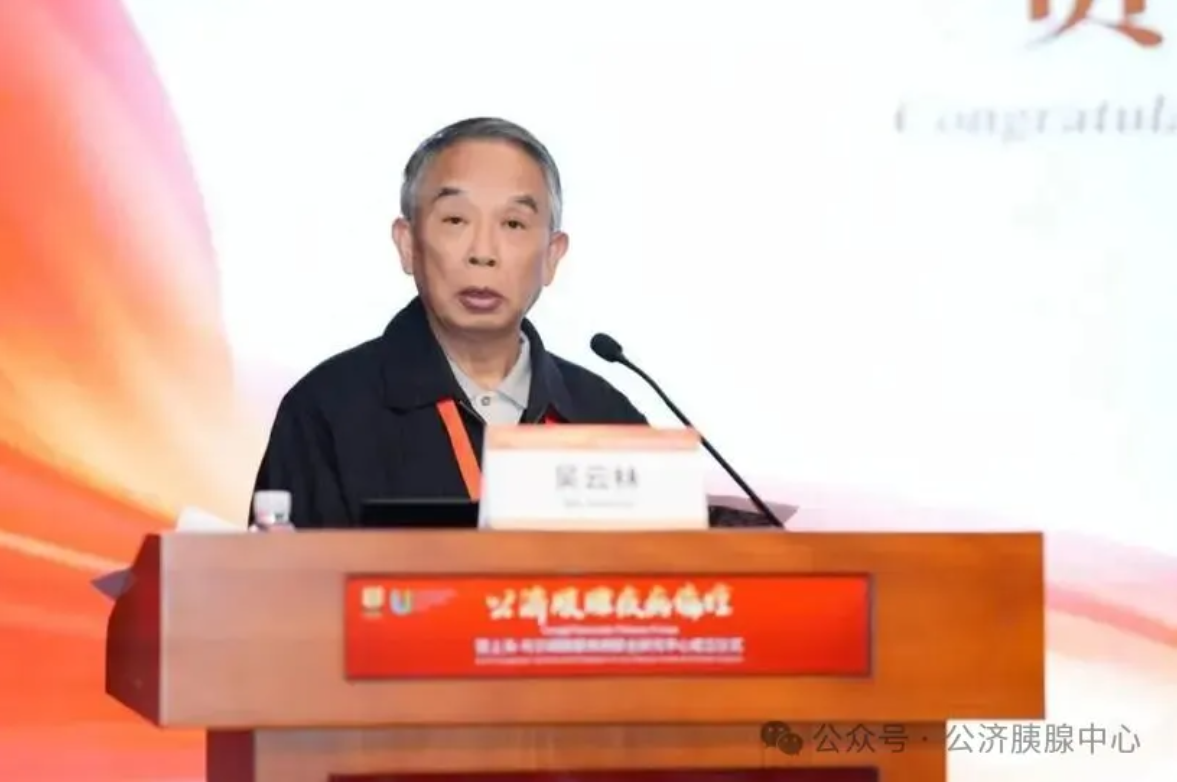
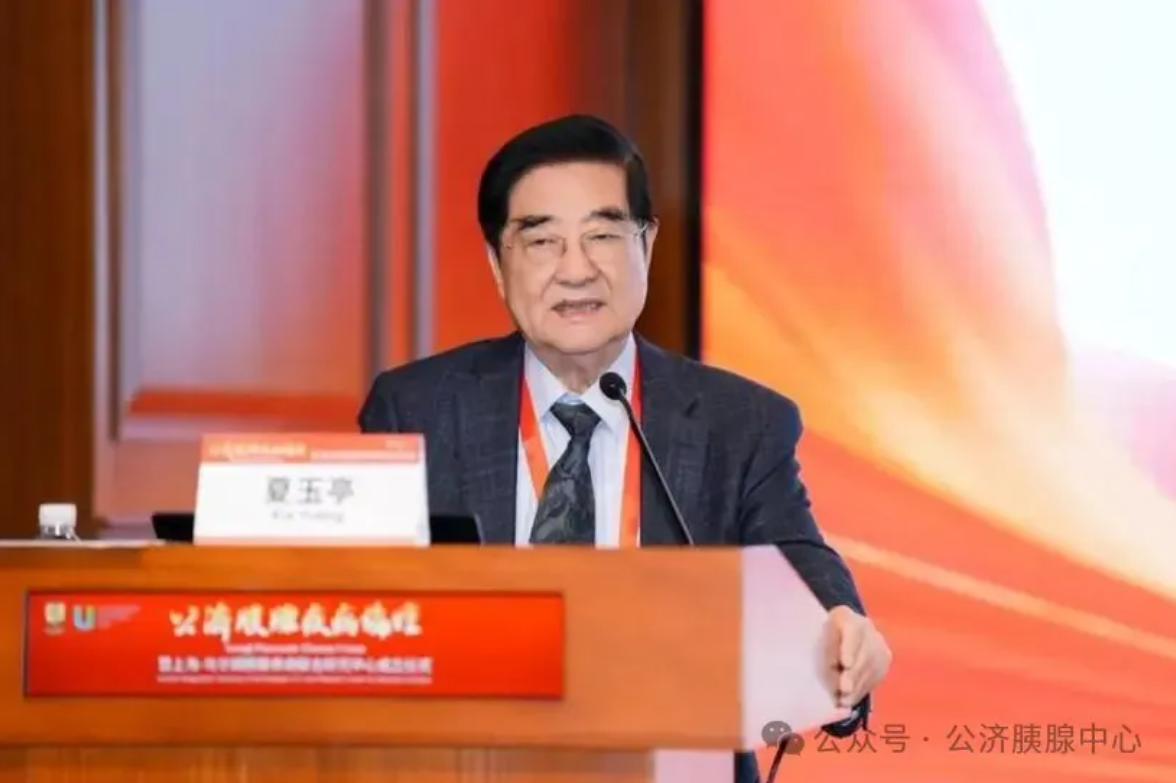
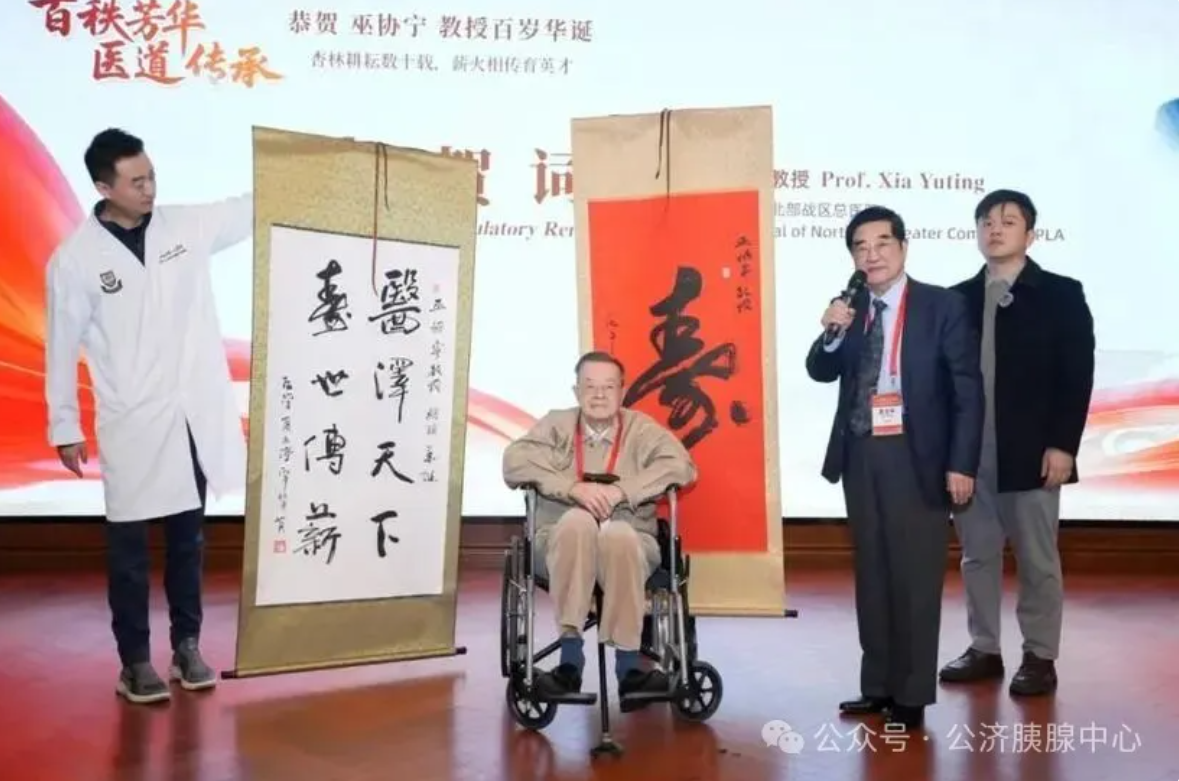
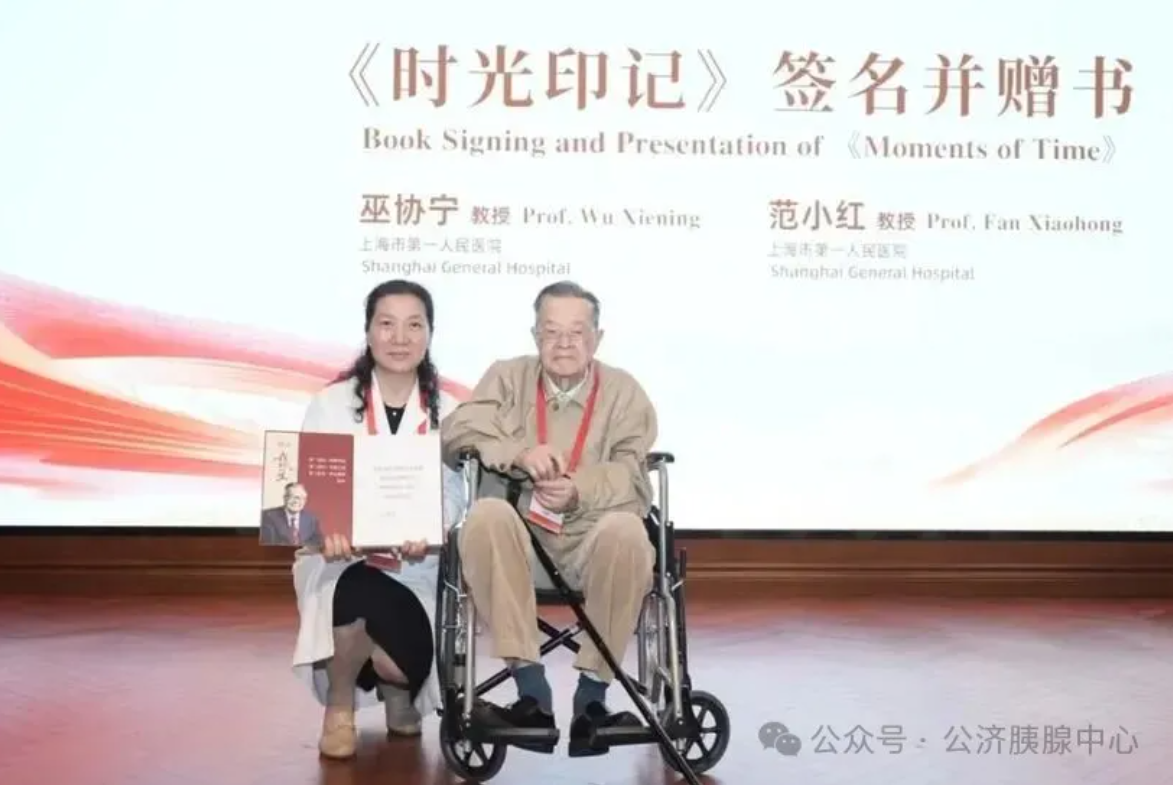
At the event, Professor Wu shared his experience in integrating traditional Chinese and Western medicine in the diagnosis and treatment of pancreatic diseases, drawing on his lifelong medical career. He encouraged younger generations to pursue practical research grounded in clinical needs. He also presented the hospital with Imprints of Time, a book documenting his lifelong academic insights and contributions. Professor Fan Xiaohong accepted the book on behalf of the hospital.
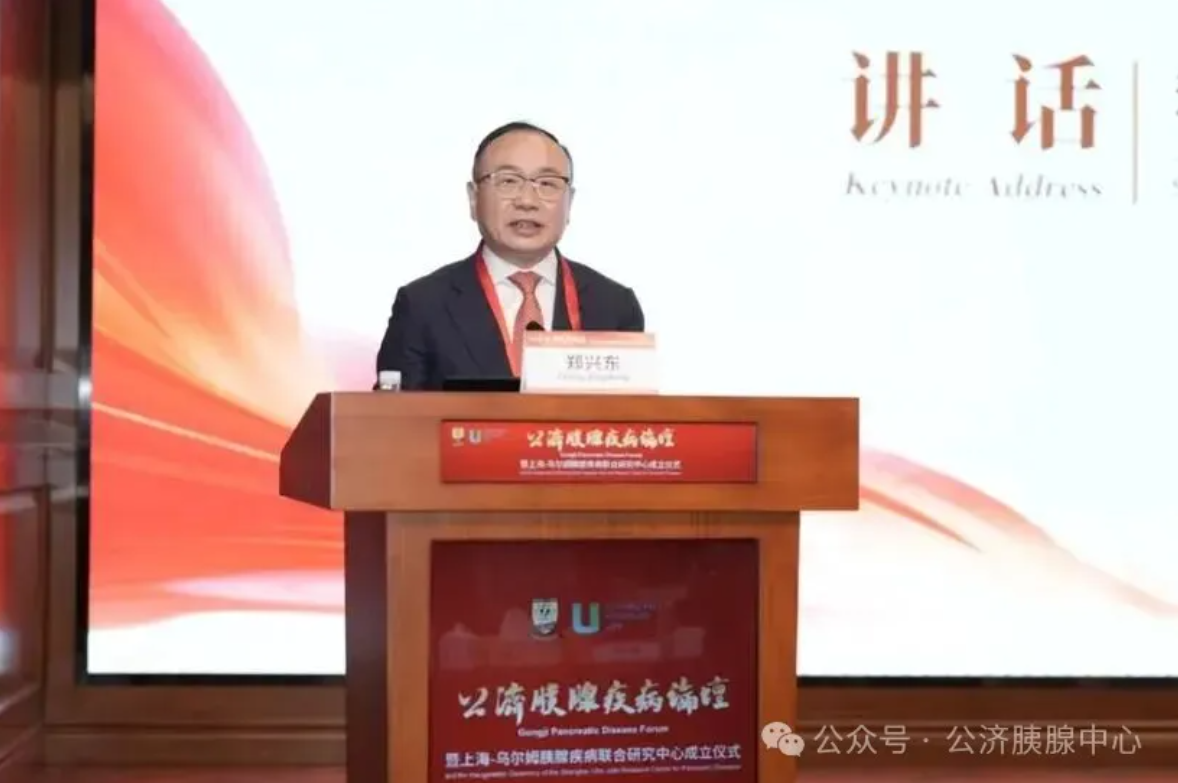
Professor Zheng Xingdong extended his heartfelt birthday wishes and highest respect to Professor Wu, encouraging colleagues throughout the hospital to carry forward the academic spirit of their predecessors and strive for new breakthroughs in their disciplines.
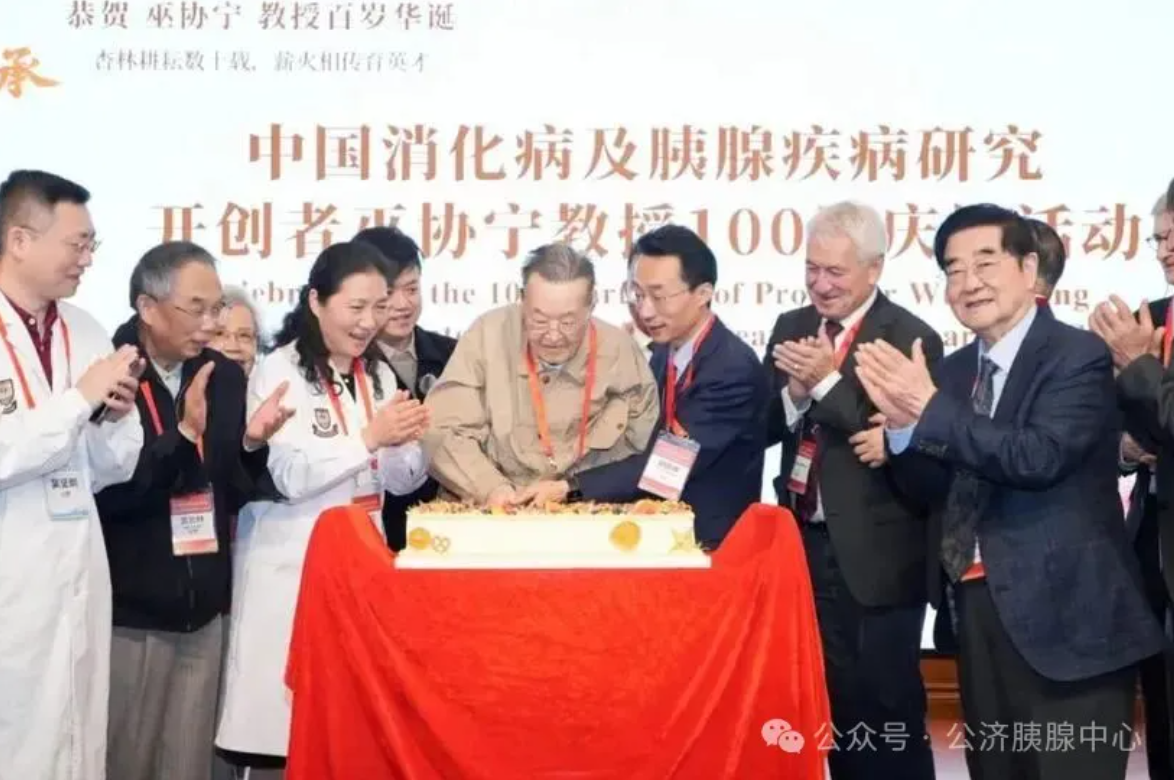
This event marks both the launch of international cooperation and the intergenerational transmission of academic spirit. Taking the joint research center as a new starting point, the Department of Gastroenterology at Shanghai General Hospital will leverage this international platform to advance research and clinical innovation in pancreatic diseases, uphold the scholarly spirit of its predecessors, and continuously strengthen its professional capabilities. Through these efforts, the department will contribute to improving pancreatic disease care in China and safeguarding public health.